


Our Approach

Every child is seen as an individual

At Amaze Special Early Education Centre, we take the time to get to know each child beyond a diagnosis or label. We want to understand their interests, strengths, ways of communicating and what helps them feel safe and comfortable. Neurodivergent children do not all learn or experience the world in the same way, so our approach needs to reflect that. By building on what matters to each child, we can create meaningful opportunities for learning, connection and participation at their own pace.

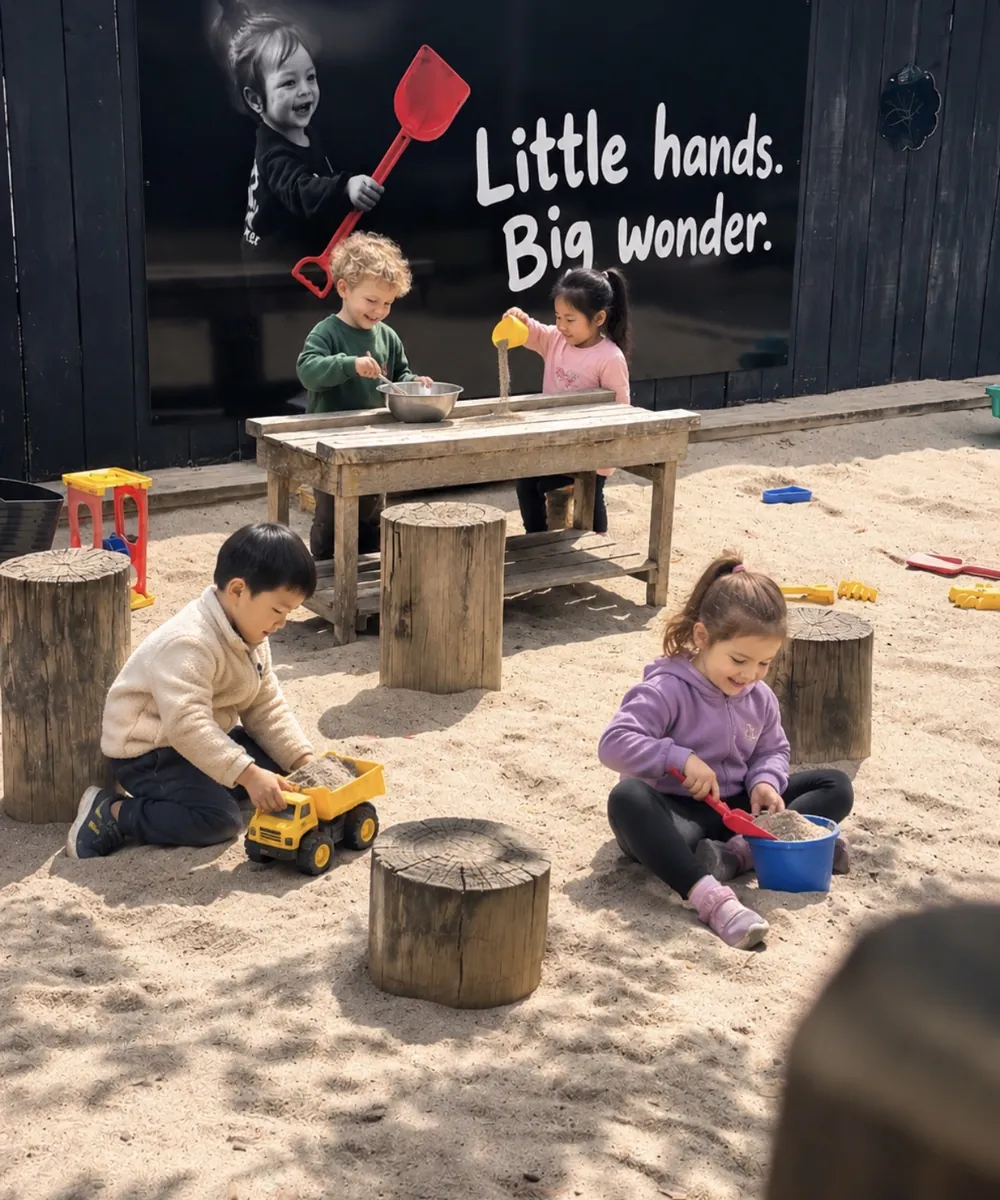
Children digging and pouring in a sandpit with buckets, scoops and a toy truck

Low ratios and meaningful relationships

Our low ratios give kaiako more time to build trusting relationships with children and their whānau. This allows us to notice the small things, respond to individual needs and offer extra support during play, routines and transitions. For a child, having a familiar adult who understands them can make a real difference to their confidence and sense of security. For families, it means knowing their child has people around them who take the time to understand and support them.

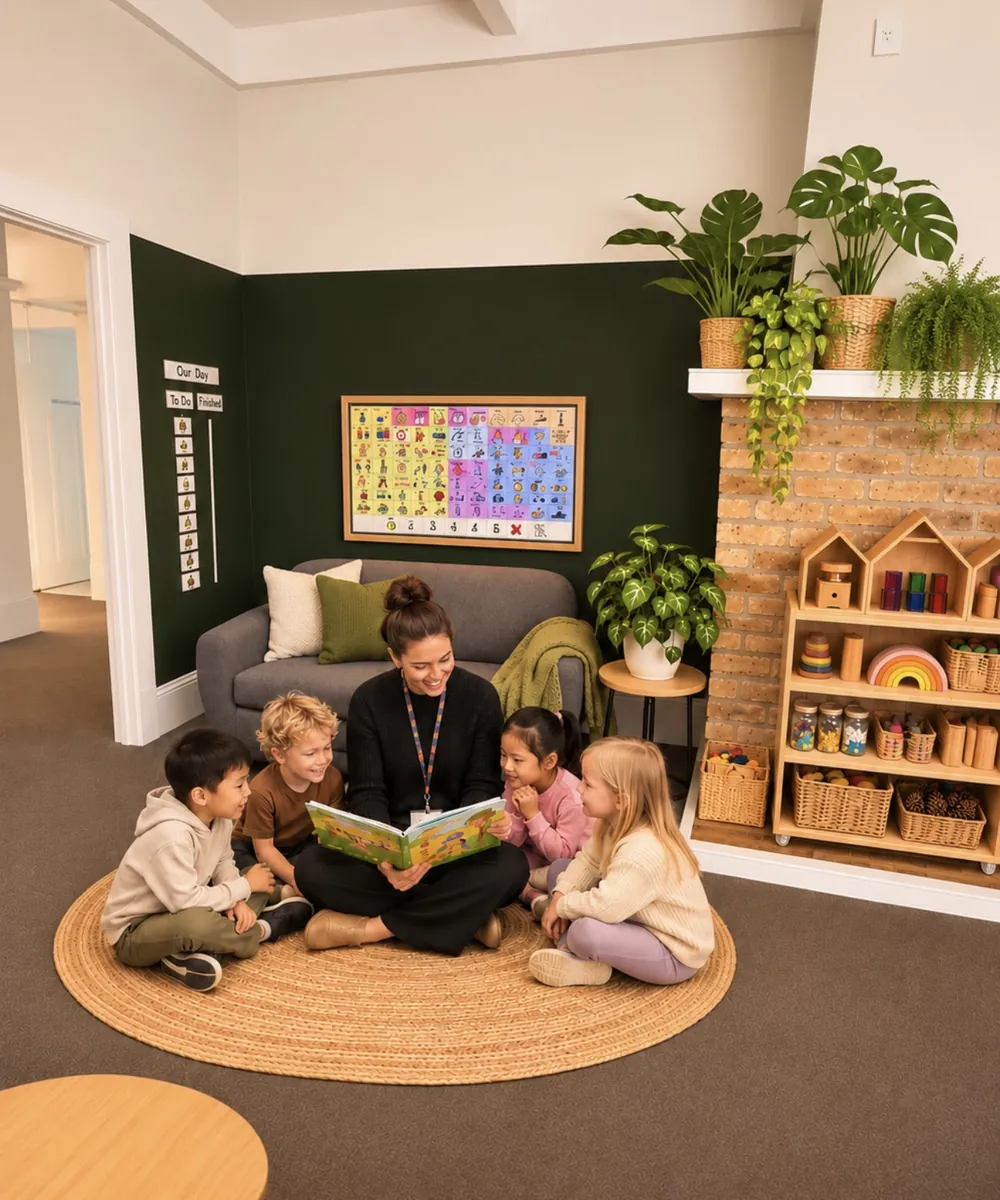
A kaiako reading a picture book to a small group of children sitting on a mat

A thoughtfully designed environment

We have created an environment with neurodivergent children’s sensory and learning needs in mind. This includes opportunities for movement, exploration and active play, alongside quieter spaces where children can pause and recharge. Some children enjoy lots of sensory input, while others can find it overwhelming, and these needs can change throughout the day. We pay attention to how children respond to their surroundings and adapt the environment to help them feel comfortable, engaged and able to participate.

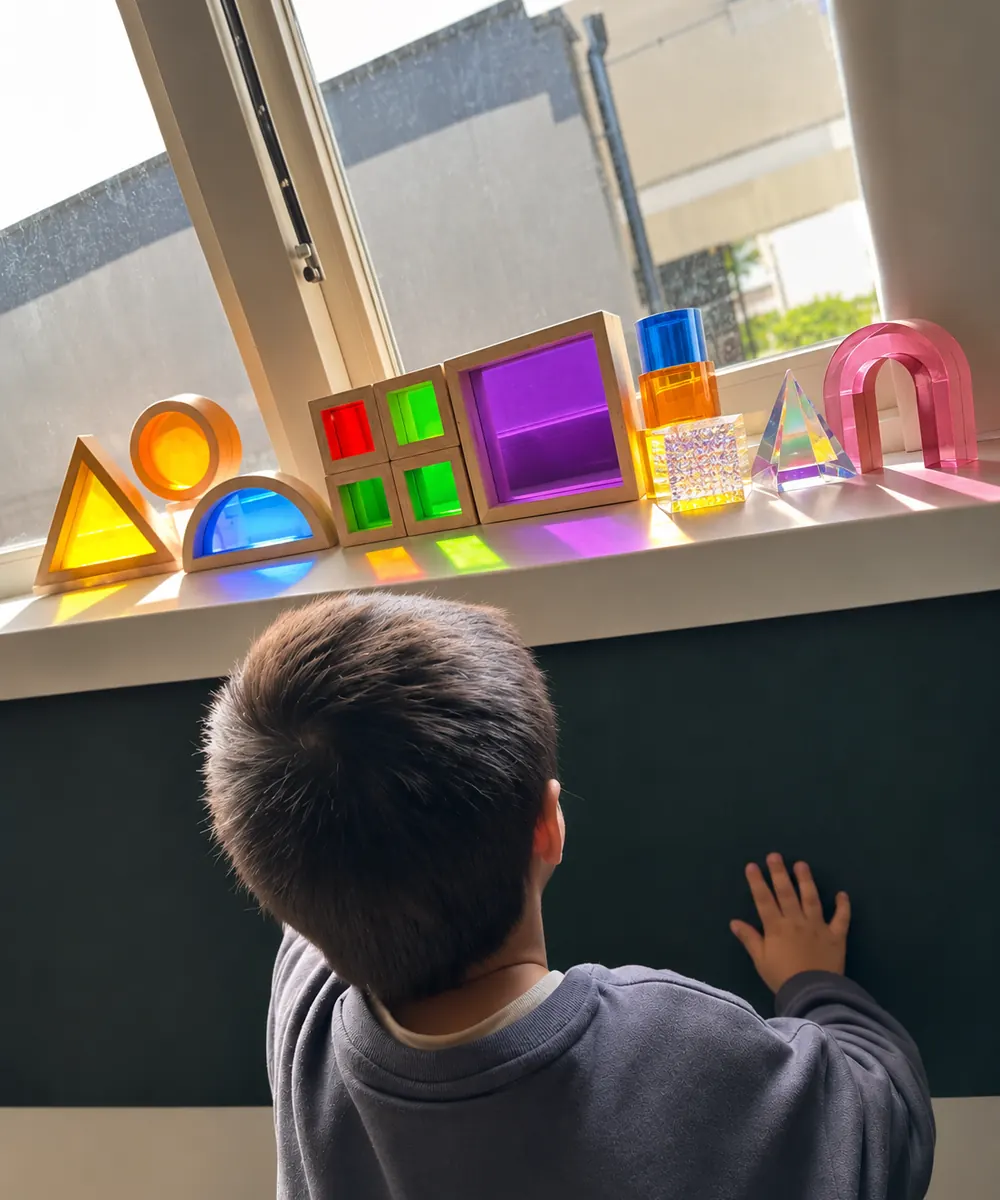
A child looking at colourful translucent shapes glowing on a sunny windowsill

Different ways to communicate

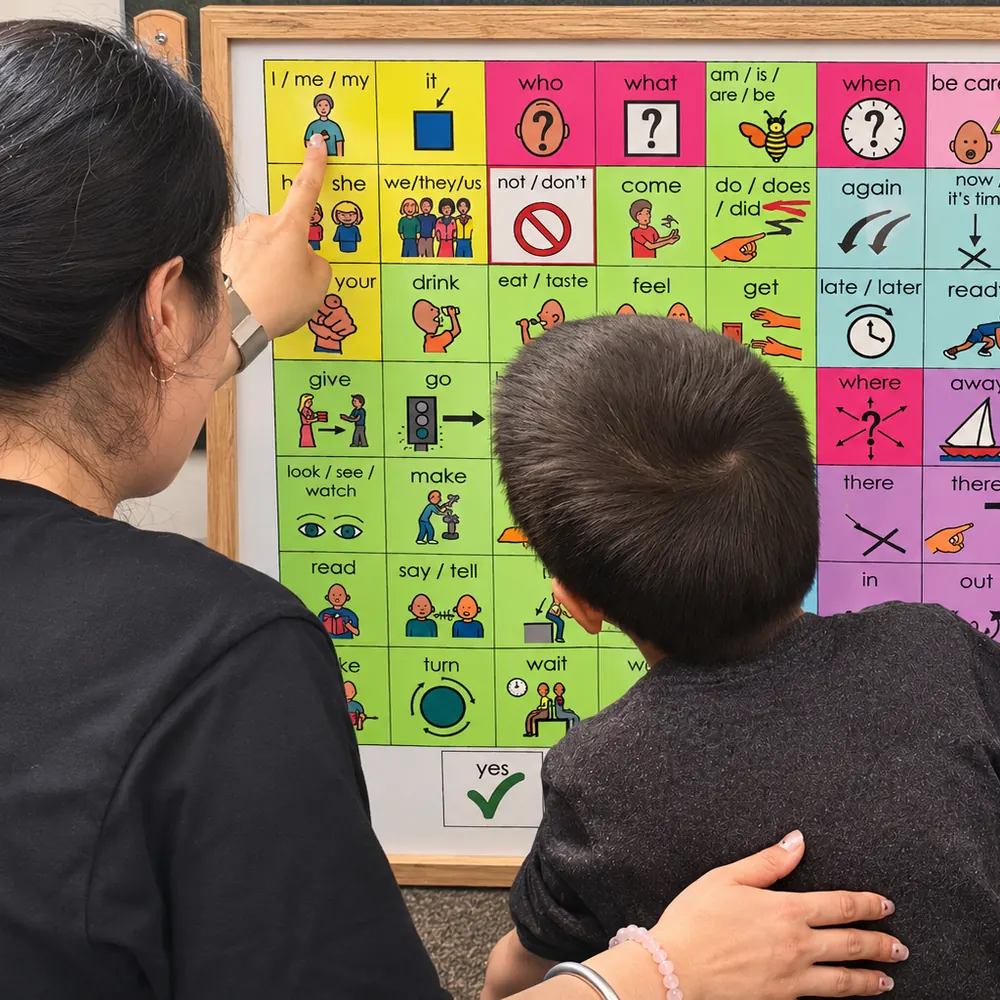
We value communication in all its forms, including spoken words, sounds, gestures, movement, pictures and communication tools. We are introducing core boards and visual supports into everyday experiences, and our team is developing its knowledge of NZSL. Our aim is to help children express their needs, make choices, share their interests and connect with others. We also work with whānau and relevant specialists to understand the communication approaches a child already uses, so we can build on what is familiar and meaningful to them.

A kaiako and child pointing to pictures together on a large communication board

Supporting emotions and understanding behaviour

When a child is having a difficult moment, we look at what they may be communicating and what support they need. They might be overwhelmed, tired, unsure about a change or finding it difficult to express themselves. Our role is to respond calmly, help them feel safe and support them through those feelings. Through warm relationships and co-regulation, we help children gradually develop ways to manage emotions, while respecting that they will need different levels of support.

Working in partnership with whānau

Whānau know their children in ways that no one else does. Their knowledge, experiences and aspirations are an essential part of our approach. We want families to feel comfortable sharing what is working, what is difficult and what matters most to them. Through ongoing conversations, we can work together on meaningful priorities and share the small successes along the way. We also value each family’s culture, language and identity, and want these to be reflected in their child’s experience at Amaze.

Learning through interests and play

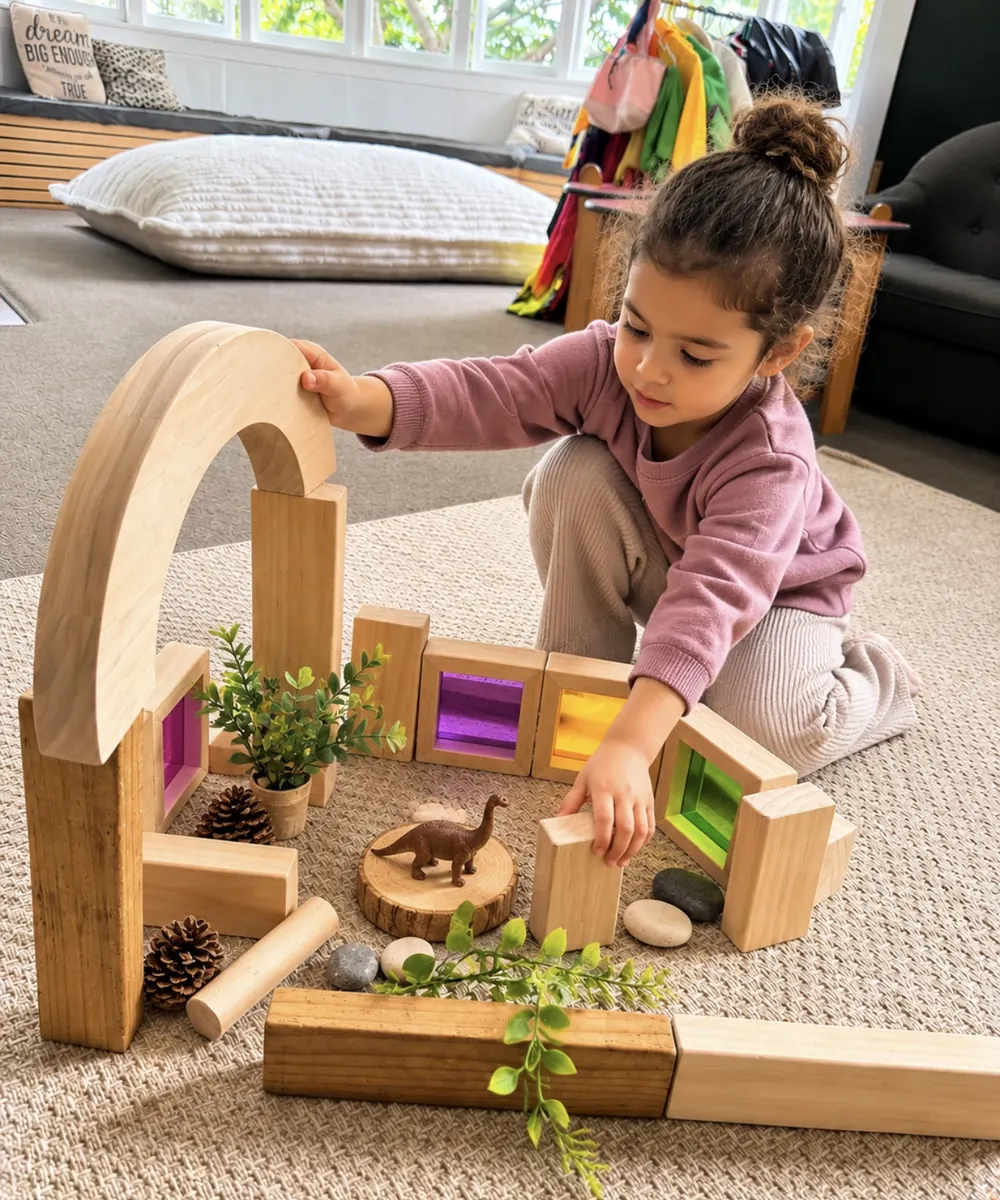
Children are more likely to engage when learning connects with something they enjoy. We use their interests as starting points for play, exploration and new experiences, whether that is building, music, movement, sensory play or a favourite topic. Kaiako support and extend this learning in ways that suit the child, creating opportunities to develop communication, problem-solving, independence and relationships. We value different ways of joining in, including watching first, playing alongside others or exploring independently.

A child building an arch and walls from wooden blocks and coloured window blocks on the mat

Predictability with flexibility

Knowing what to expect can help children feel more secure. We support this through familiar routines, clear communication and visual cues where helpful. At the same time, we recognise that a child’s needs may vary from day to day. Some may need more time to move between activities, a quieter experience or additional support from a familiar teacher. We balance a predictable day with the flexibility to respond to the child in front of us.

Working alongside specialists

With whānau involvement and consent, we welcome collaboration with the professionals supporting a child, such as speech-language therapists and early intervention teachers. Sharing knowledge helps us understand how useful strategies can become part of everyday play and routines. We want support to feel connected and practical, with families, kaiako and specialists working towards shared goals that matter to the child.

Belonging and celebrating progress

Above all, we want children to feel that they belong at Amaze and are valued for who they are. We celebrate progress in ways that are meaningful to each child, rather than comparing them with others. This might be expressing a preference, connecting with another child, exploring a new activity or feeling secure enough to enjoy their day. These moments matter, and we want to recognise and share them with whānau.

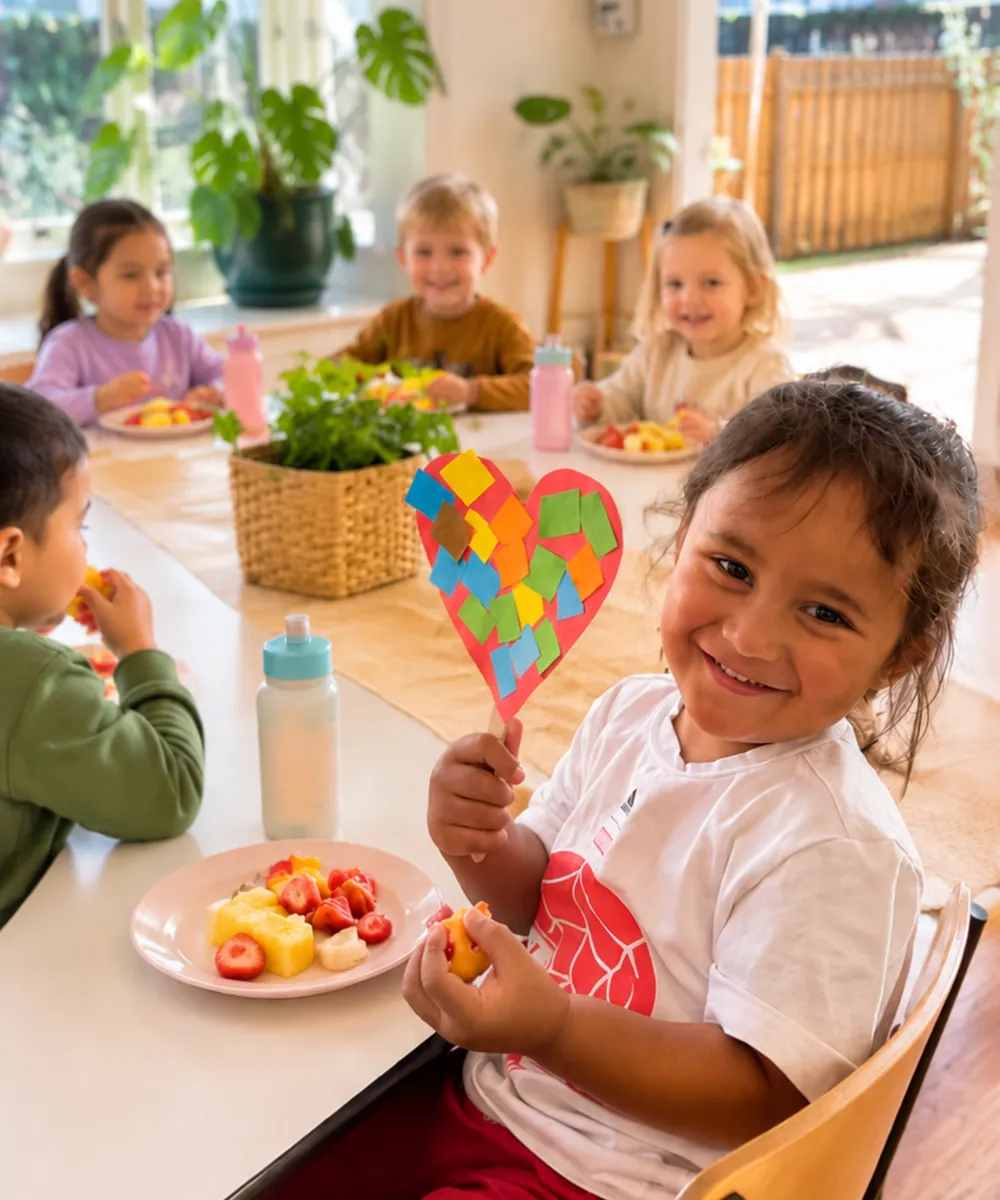
A smiling child at the table holding up a colourful paper heart
Call Us