Our Programmes

Learning that starts with your child

At Amaze, our programme grows from getting to know each child—their interests, strengths, ways of communicating and what helps them feel secure. Guided by Te Whāriki, Aotearoa New Zealand’s early childhood curriculum, we create opportunities for learning through play, relationships and everyday experiences.

Children can explore independently, alongside a kaiako, or with others. We adapt experiences to support different ways of participating, with time for movement, repetition, connection and rest.

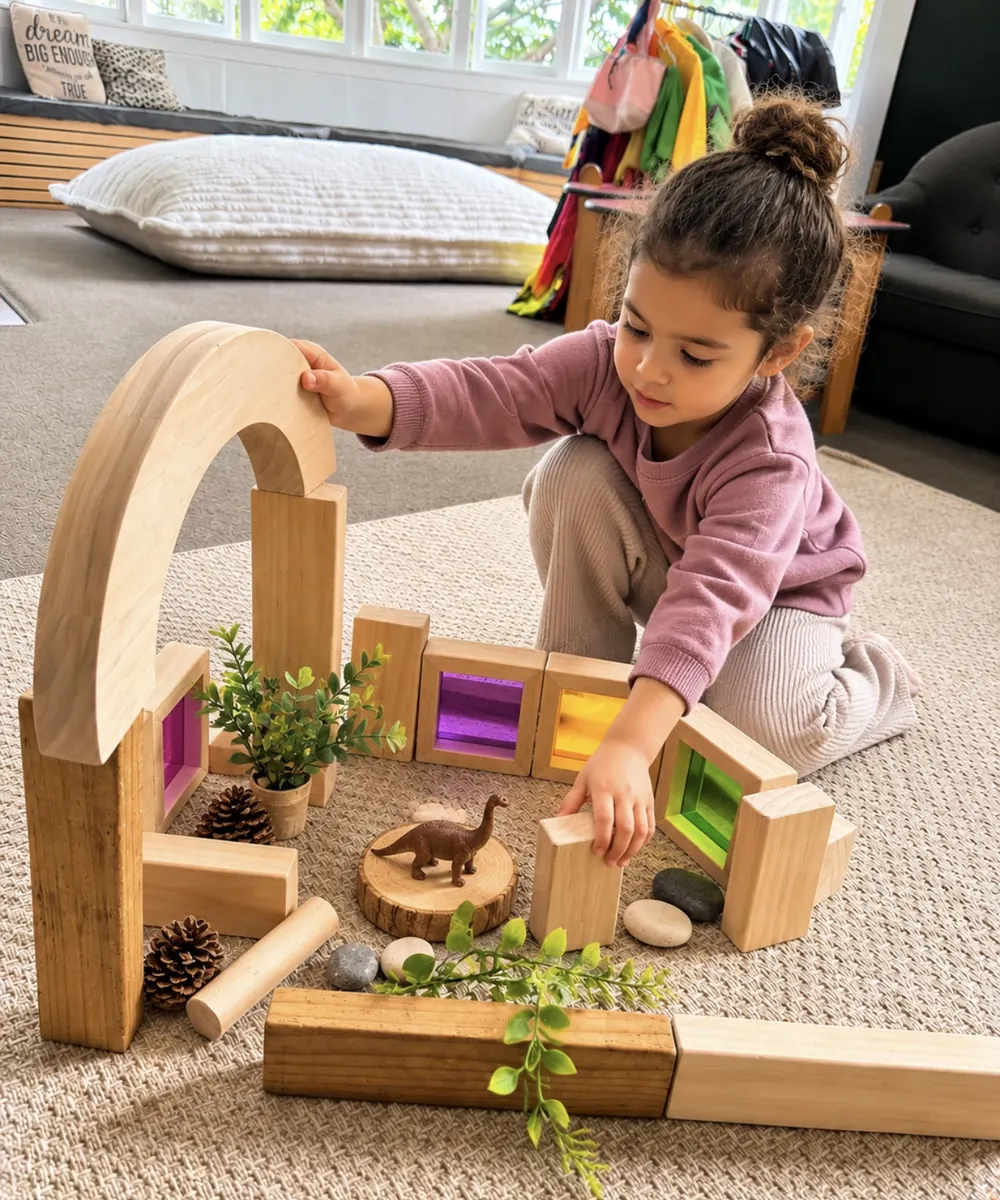
A child building an arch and walls from wooden blocks and coloured window blocks on the mat

Play and discovery

Play gives children space to follow their curiosity and explore ideas in ways that make sense to them. Building, sorting, transporting, pretending or discovering how something works can all offer rich learning. Our kaiako notice what draws each child’s attention and use these interests to support problem-solving, communication and discovery. We value repetition as an important part of exploring and learning.

Music and movement

Music offers many ways to express ourselves and connect. Through songs, rhythm, instruments and movement, children can explore sounds, enjoy familiar patterns and share moments with others. Participation might mean dancing, making a sound, choosing a favourite song or listening from a comfortable distance. We remain responsive to children’s sensory preferences, including their need for quieter experiences.

Sensory exploration

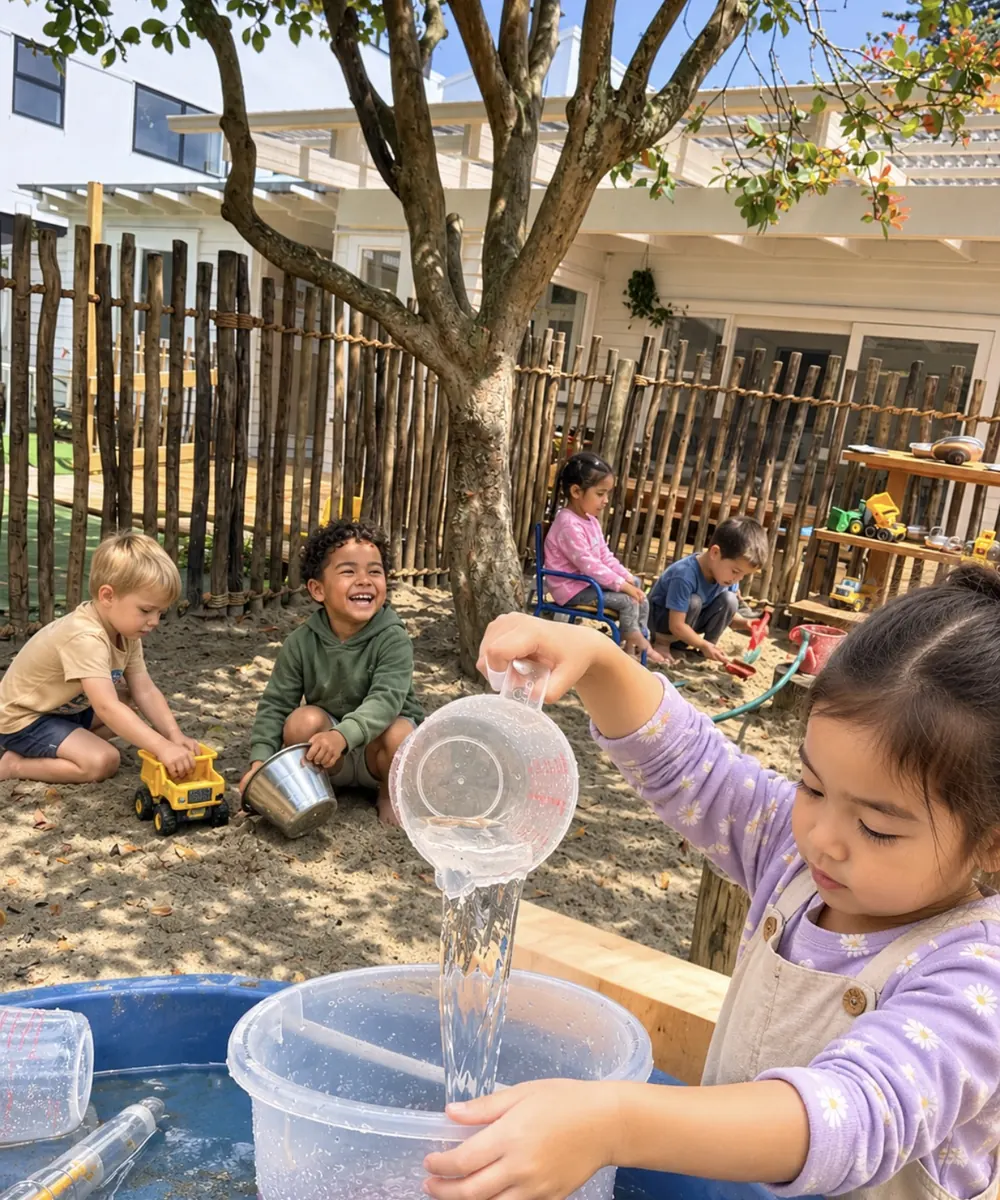
Sensory play is an invitation to explore, with choice at its heart. Water, sand, dough and other materials offer opportunities to investigate texture, movement and cause and effect. We recognise that an experience one child enjoys may feel overwhelming to another. Children can watch, use tools, explore gradually or choose a different activity. Their comfort and cues guide our approach.

A child pouring water between containers outdoors while other children dig in the sandpit

Shared and group experiences

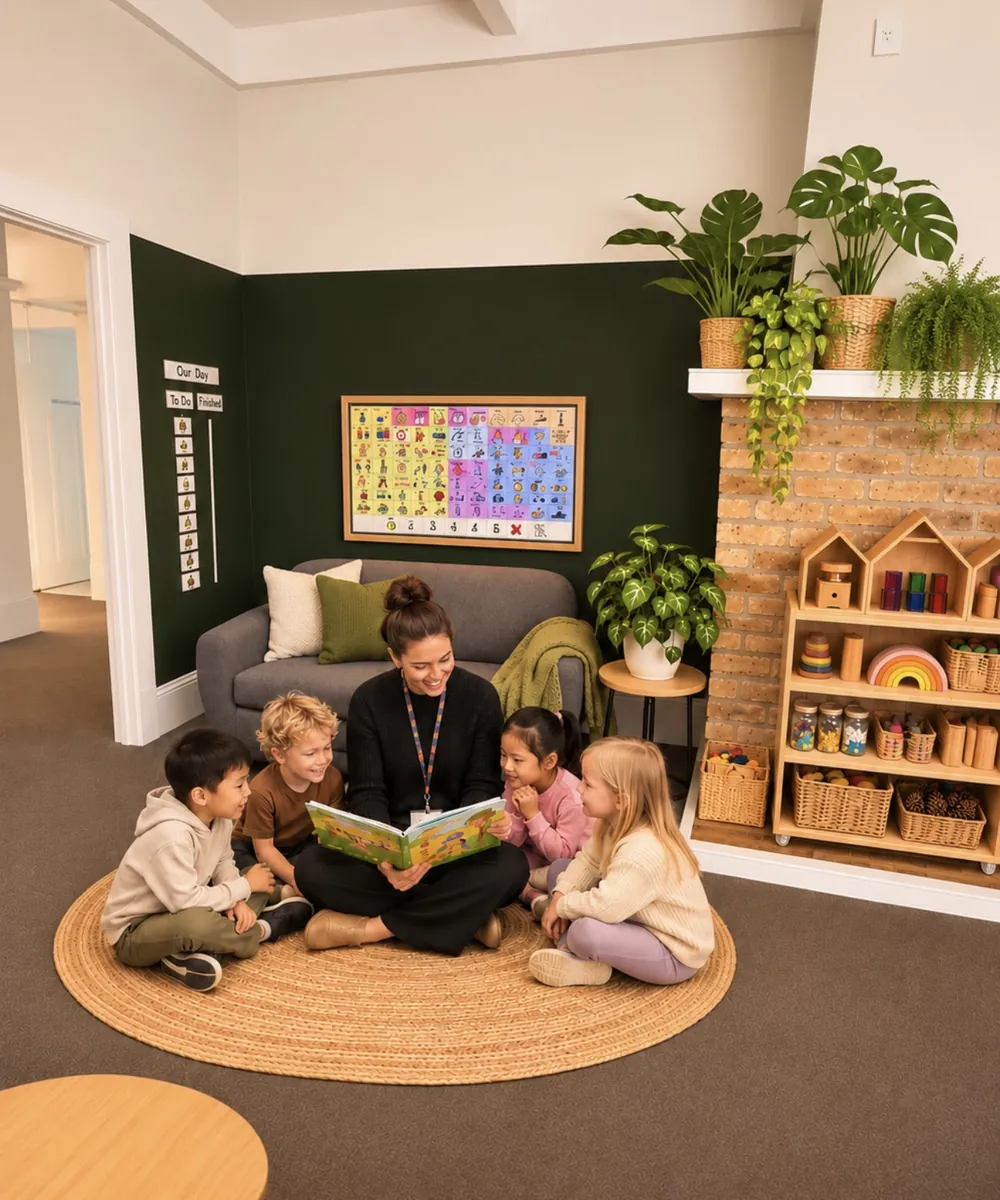
Small, supported group experiences create opportunities to enjoy stories, songs, games and shared interests. Children can practise contributing ideas, taking turns and connecting with others in ways that suit them. Being part of a group can look different for every child: observing nearby or joining briefly are valued ways to participate. We adjust the pace, length and expectations to support meaningful involvement.

A kaiako reading a picture book to a small group of children sitting on a mat

Communication and connection

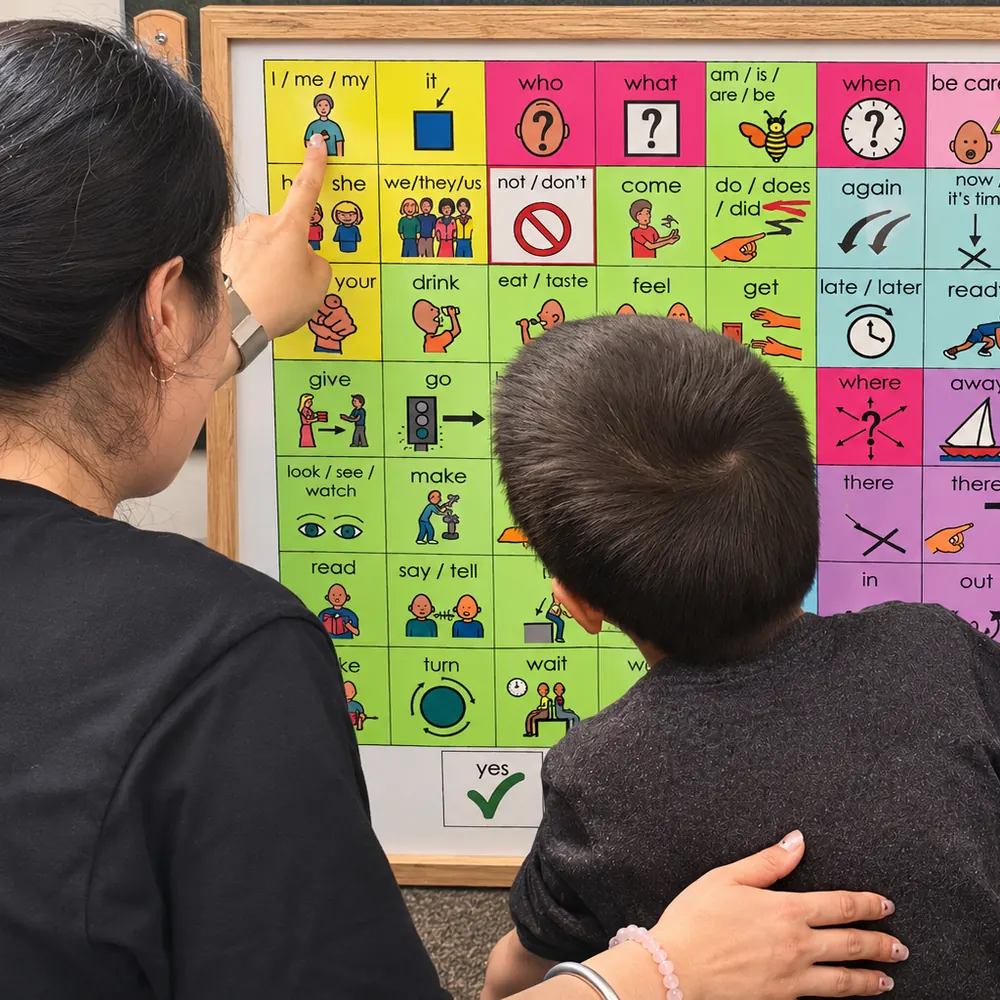
Communication is woven into everything we do. We recognise and respond to words, sounds, gestures, movement, facial expressions and other ways children express themselves. Alongside conversation, visual supports and communication tools can help children make choices, share interests and understand what is happening next. We work with whānau and the professionals involved with their child to support familiar, useful ways of communicating.

A kaiako and child pointing to pictures together on a large communication board

Creativity and expression

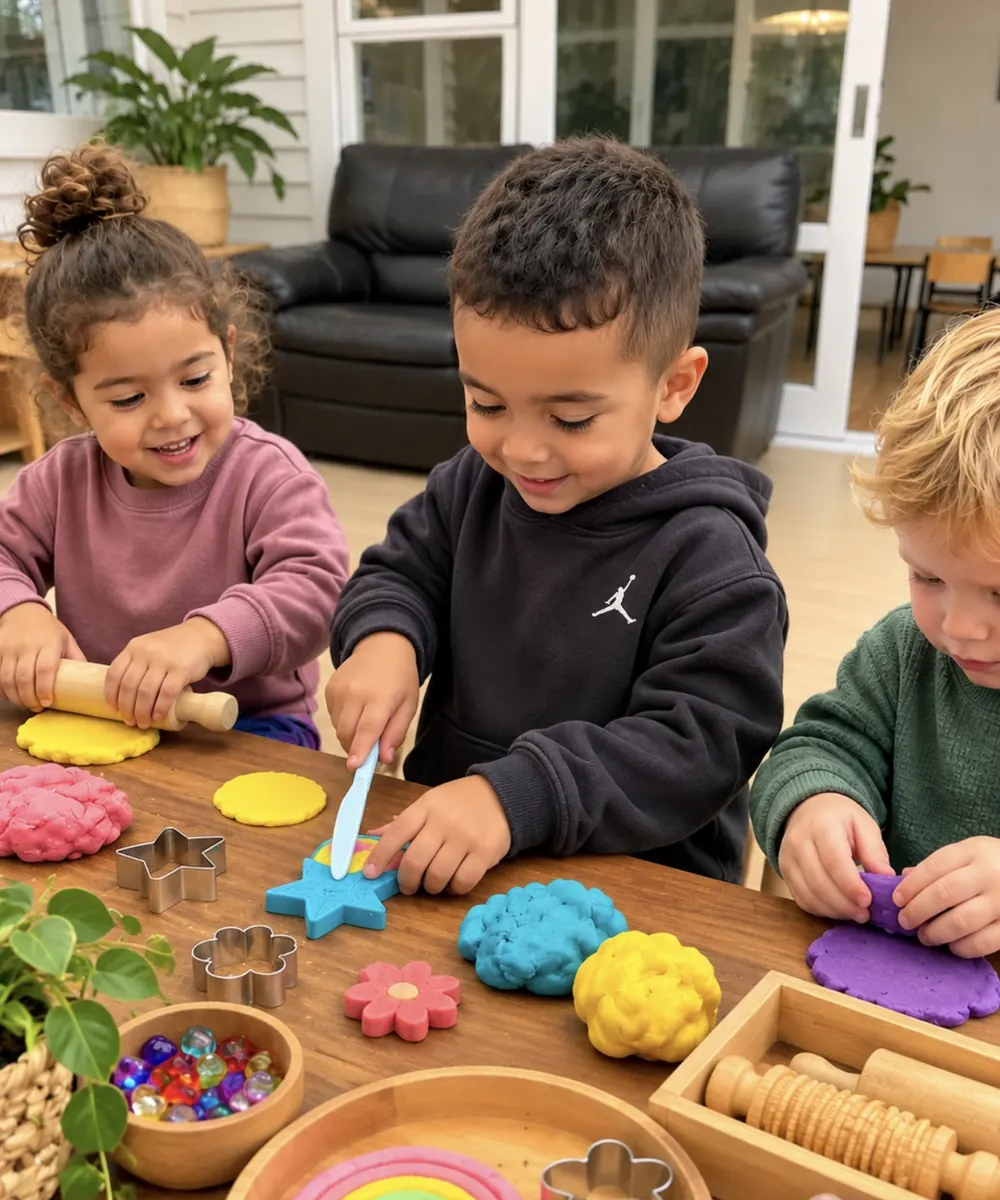
Art and creative play give children opportunities to explore materials, make choices and express ideas. Painting, drawing, construction and imaginative experiences are guided by curiosity, without an expectation that every child will make the same thing. We value the exploration and meaning behind what a child does, whether they revisit a favourite process or try something new.

Children rolling and cutting colourful playdough shapes together at a table

Outdoor play and movement

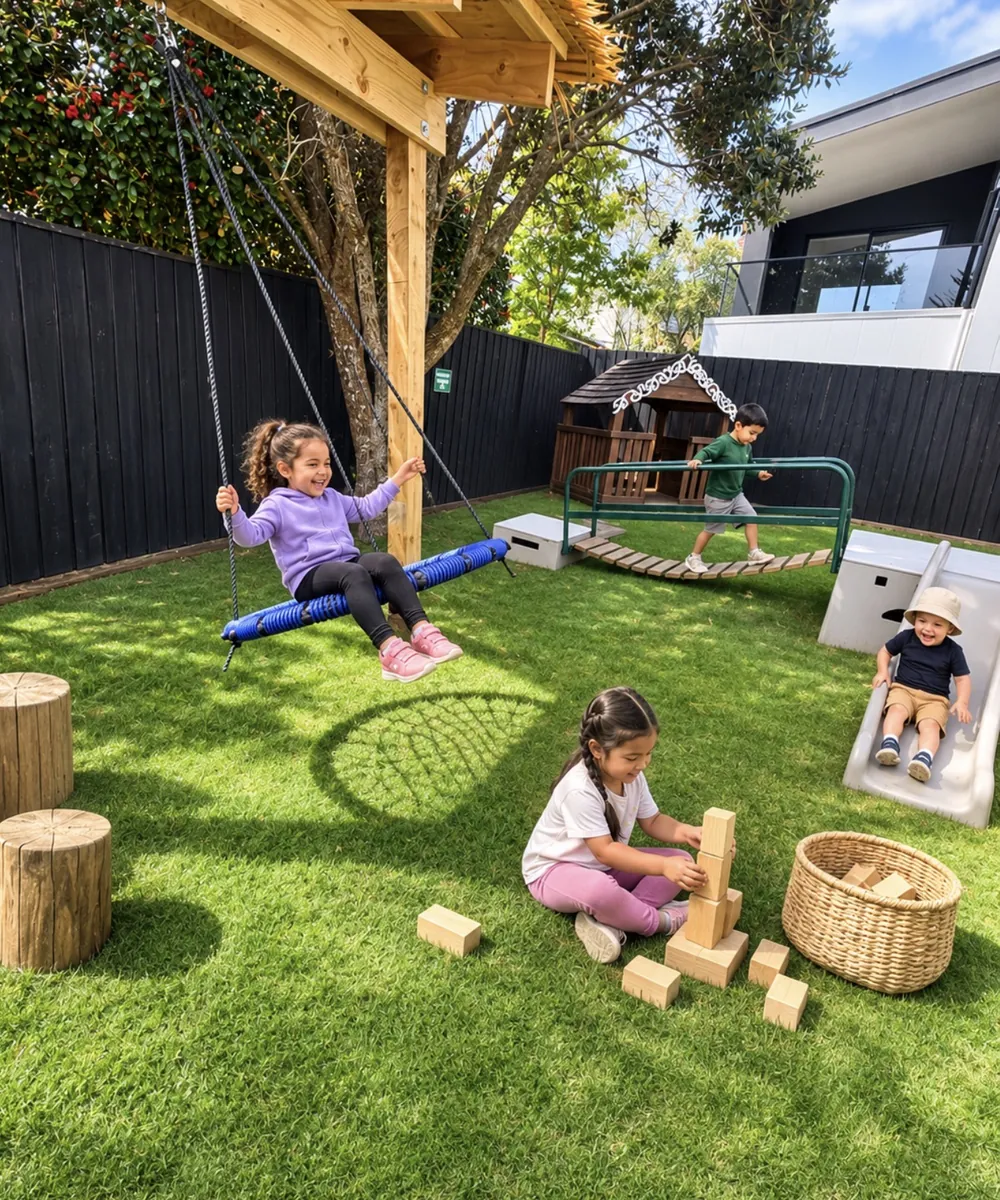
Outdoor experiences offer space to move, investigate and explore. Children can develop balance, coordination and confidence through physical play, or enjoy quieter moments noticing the natural world. Our kaiako support each child to take on manageable challenges, responding to their interests, abilities and need for support.

Children playing outdoors on a swing, a balance bridge and a slide, while one child builds a tower of wooden blocks on the grass

Everyday moments of independence.

Meaningful learning happens throughout the day in choosing an activity, washing hands, finding belongings or helping care for our environment. We give children time and support to participate in these routines, recognising that independence looks different for everyone. Asking for help, expressing a preference and recognising when a break is needed are valuable skills too.

A holistic approach to food and nourishment

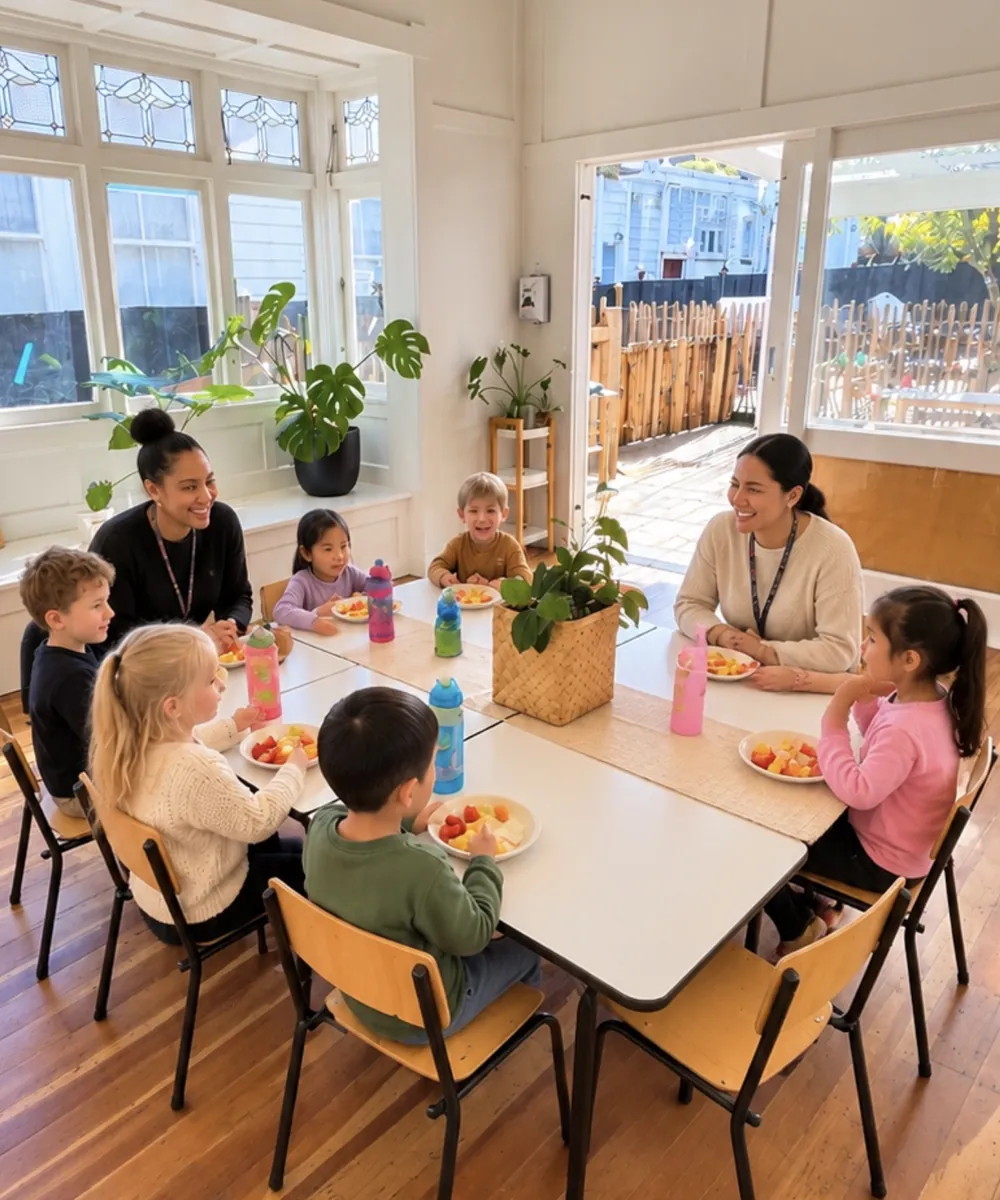
Our on-site chef prepares meals and adapts our menu to reflect children’s individual needs, in partnership with whānau. Our focus is on offering nourishing, balanced meals that support children’s growth and everyday wellbeing, with an emphasis on whole foods and no added sugar.

We understand that eating is a sensory experience, and that familiar tastes, textures and presentation can make a significant difference to a child’s comfort. We respect each child’s accepted foods and work gently, without pressure, to offer variety at their pace. Allergies, dietary requirements and cultural preferences inform our planning, so mealtimes feel safe, welcoming and enjoyable.

Children and two kaiako sharing fruit at a table in a sunny room

Time to pause

A full day of exploring and connecting also needs space for rest. We recognise when children may need less stimulation, a familiar activity or the reassurance of a trusted adult. Predictable routines, gentle transitions and opportunities to pause help children feel supported throughout their day.

Learning alongside whānau

Whānau bring essential knowledge about their child. Your insights, aspirations and everyday experiences help shape our programme and the support we provide. Together, we celebrate meaningful progress and build on what matters to your child and your family.

Call Us